Kentucky employers are dealing with two labor problems at once. Unemployment has drifted higher across much of the state in 2026, yet many employers still report that open roles take too long to fill. The explanation sits in a number that gets less attention than the jobless rate, which is the size of the labor force itself.
The rate rose while the pool shrank
The Kentucky Center for Statistics reported a seasonally adjusted unemployment rate of 4.7 percent for June 2026. Mike Clark, director of the University of Kentucky's Center for Business and Economic Research, said the increase reflected a weaker labor market in which fewer workers reported having a job. The rate held at 4.7 percent in July and again in August.
Earlier in the year, the rate looked more stable than it really was. Roughly 16,000 workers left Kentucky's labor force during the first three months of 2026, according to state data reported by The Lexington Times. When people stop looking for work, they no longer count as unemployed, so the jobless rate can hold steady even as the pool of available workers gets smaller.
The Kentucky Chamber of Commerce has tracked the same pattern. Labor force participation held steady in Kentucky and the nation through 2025, then fell by 0.6 points in both from November 2025 to March 2026. The Chamber also notes that Kentucky has historically trailed the nation on participation, so a national decline lands on a smaller base here.
What Louisville looks like
The Louisville metro area, which includes counties in southern Indiana, had an unemployment rate of 4.6 percent in May 2026, according to USAFacts. That was 0.6 points higher than a year earlier and ranked 23rd highest among 108 metro areas with labor forces above 250,000 people. The metro labor force numbered roughly 704,500 people in early 2026, according to preliminary Bureau of Labor Statistics figures.
For employers, a higher local jobless rate does not automatically mean more qualified applicants. It often means more applicants for some roles and very few for others. Skilled trades, licensed clinical roles and supervisory positions remain hard to fill in Louisville even as entry level postings draw large response. Our coverage of construction's replacement problem and senior living turnover shows how uneven the picture can be from one industry to the next.
Local resources employers underuse
Louisville has more public workforce infrastructure than many employers realize. KentuckianaWorks, the region's workforce board, runs hiring events, promotes open positions, supplies regional workforce data and supports workers affected by layoffs. Its Academies of Louisville career programs enroll more than 20,000 high school students, many of them in pathways tied to manufacturing, health care and logistics.
Greater Louisville Inc. operates a Workforce Ecosystem Hub that helps employers address barriers that keep people out of jobs, including transportation, childcare, expungement and digital access. Those barriers explain part of the participation gap. A worker who cannot get to a second shift job or find care for a child during that shift is not counted as unemployed, but that worker is also not available to hire.
Employers that want to reach people on the sidelines usually have to change something about the job itself. Shift options, transportation support, clear advancement paths and faster hiring decisions all widen the pool. Manufacturers in the region have found that flexible scheduling does more for retention than almost any other single change, a finding we cover in our manufacturing workforce report.
Planning for 2027
A shrinking labor force favors employers that are easy to find, easy to apply to and easy to say yes to. Candidates in Louisville compare local employers the same way they compare restaurants, and most of them read reviews before they apply. We explain what that research behavior means for hiring costs in our employer brand report.
Employers can also look inside their own walls. Internal promotion, cross training and referral programs reach people who already know the company and the region. A referral from a trusted employee often carries more weight with a Louisville candidate than any job board ad, and it costs far less to produce.
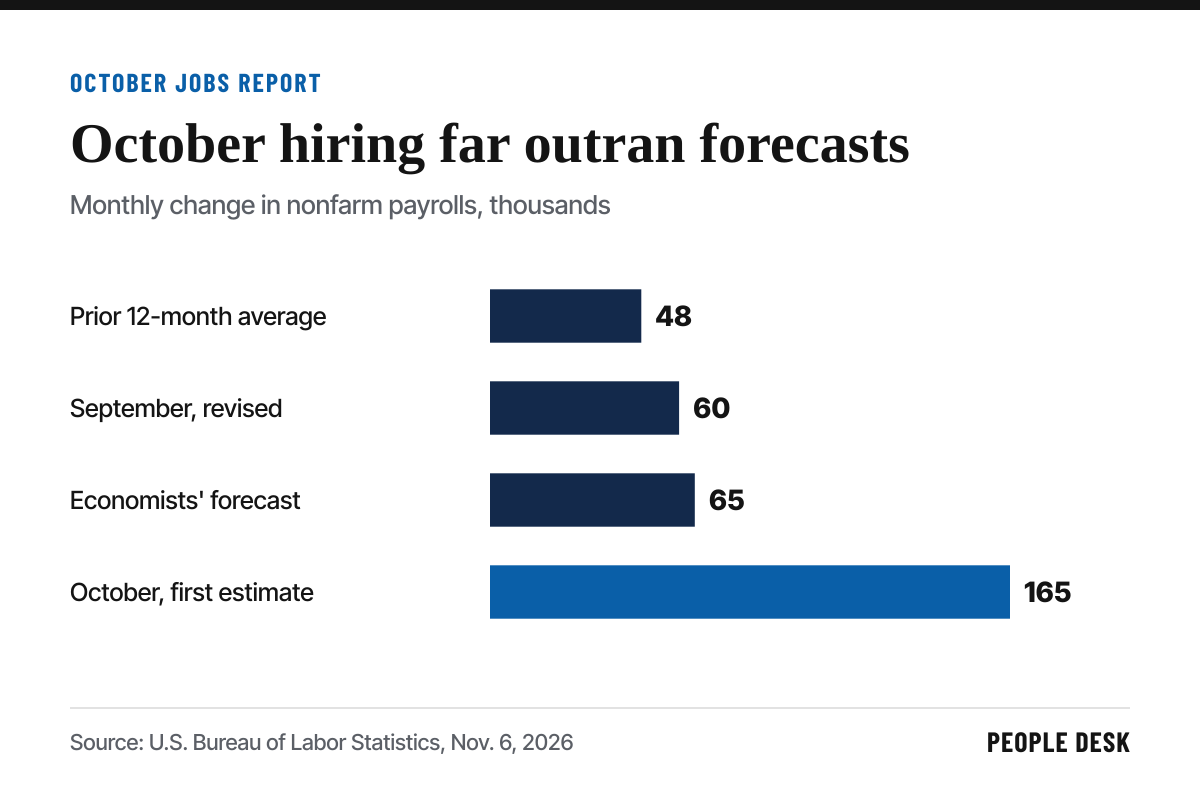
National numbers improved in October, as our jobs report analysis shows, but Kentucky's recovery has run behind the nation for most of the year. Employers that plan around a smaller available workforce, rather than waiting for the old one to come back, will be in a stronger position when hiring picks up again.
Sources
- Kentucky Center for Statistics, June 2026 Unemployment Report
- Kentucky Center for Statistics, July 2026 Unemployment Report
- The Lexington Times, Kentucky Unemployment Rises to 4.5% in May
- Kentucky Chamber of Commerce, State of the Economy
- USAFacts, Unemployment Rate in the Louisville KY-IN Metro Area
- U.S. Bureau of Labor Statistics, Louisville Area Economic Summary
- KentuckianaWorks, Employer Services
- Greater Louisville Inc., Talent Attraction and Retention
We link to the original reports and filings wherever possible. See something we got wrong? Tell us and read our corrections policy.