Jobless Claims Rise to 200,000, Still Near Historic Lows
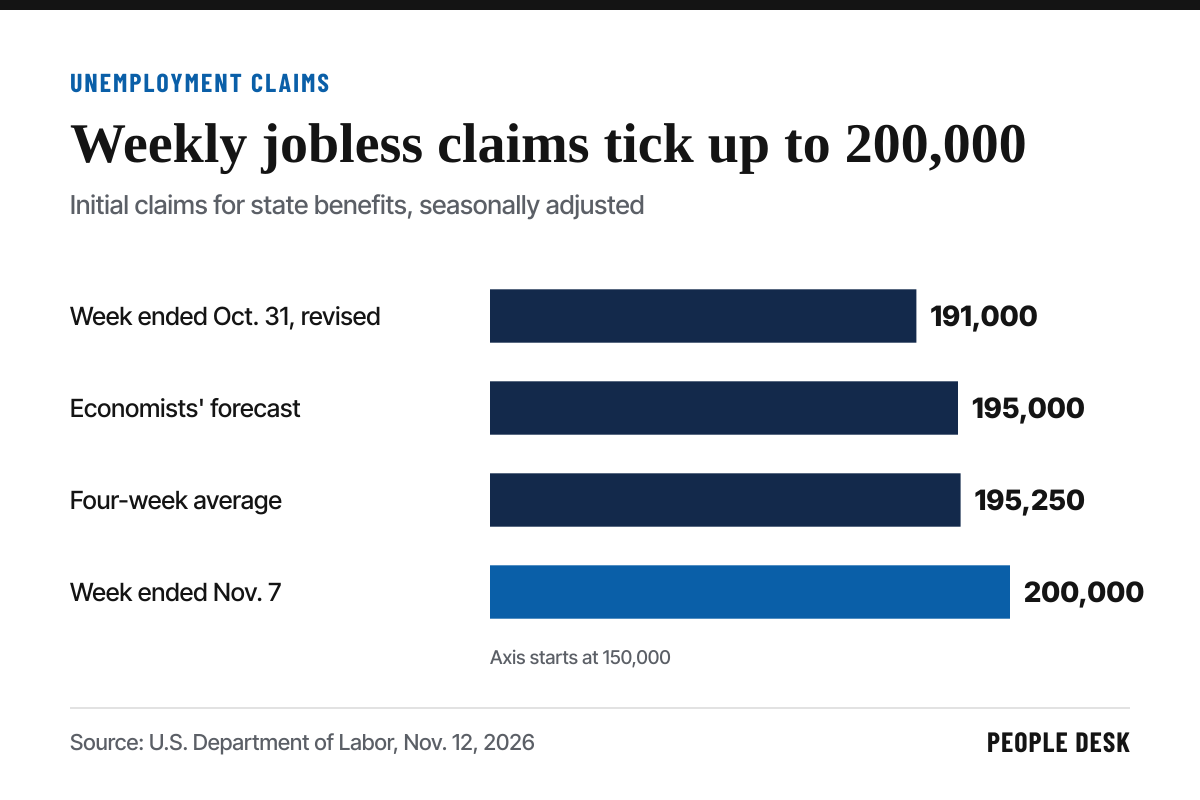
Initial claims rose 9,000 in the week ended Nov. 7, above the 195,000 economists expected, the Labor Department said Thursday. Layoffs remain rare by historical standards.
Jobs reports, layoffs, quits and wage data, read for what they mean to employers.
Initial claims rose 9,000 in the week ended Nov. 7, above the 195,000 economists expected, the Labor Department said Thursday. Layoffs remain rare by historical standards.
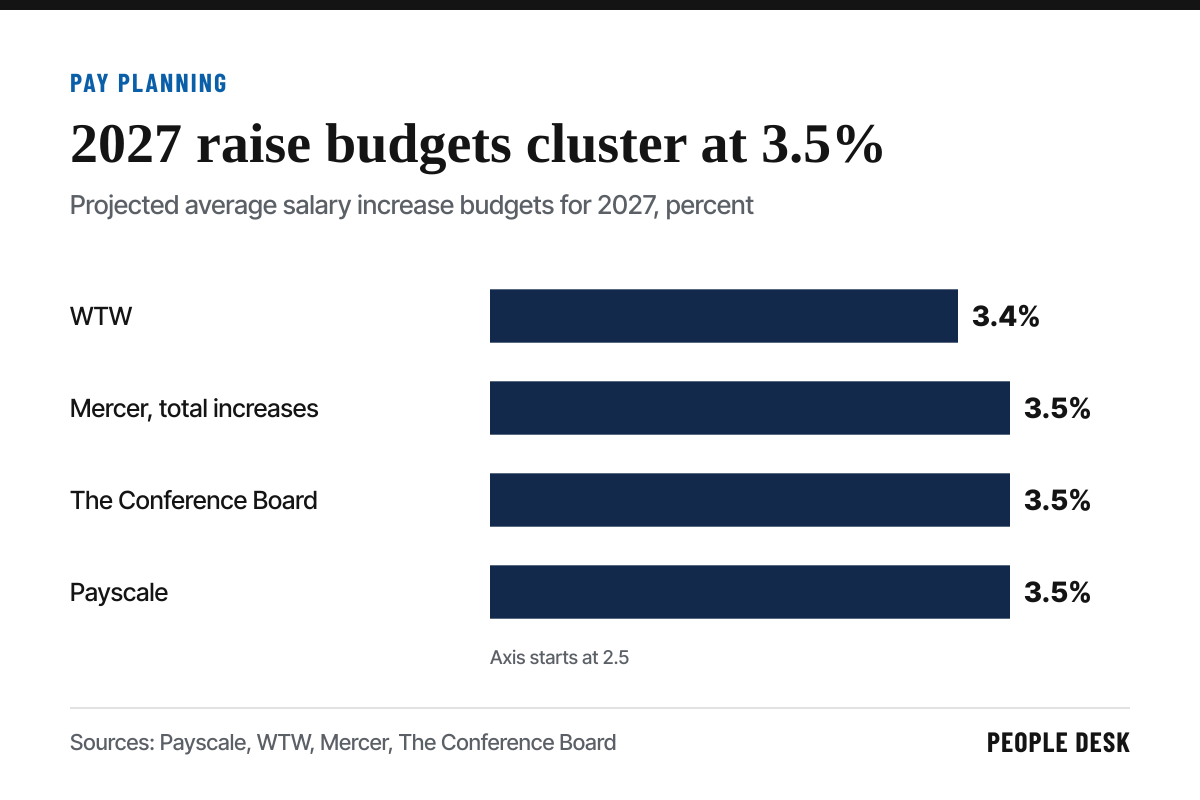
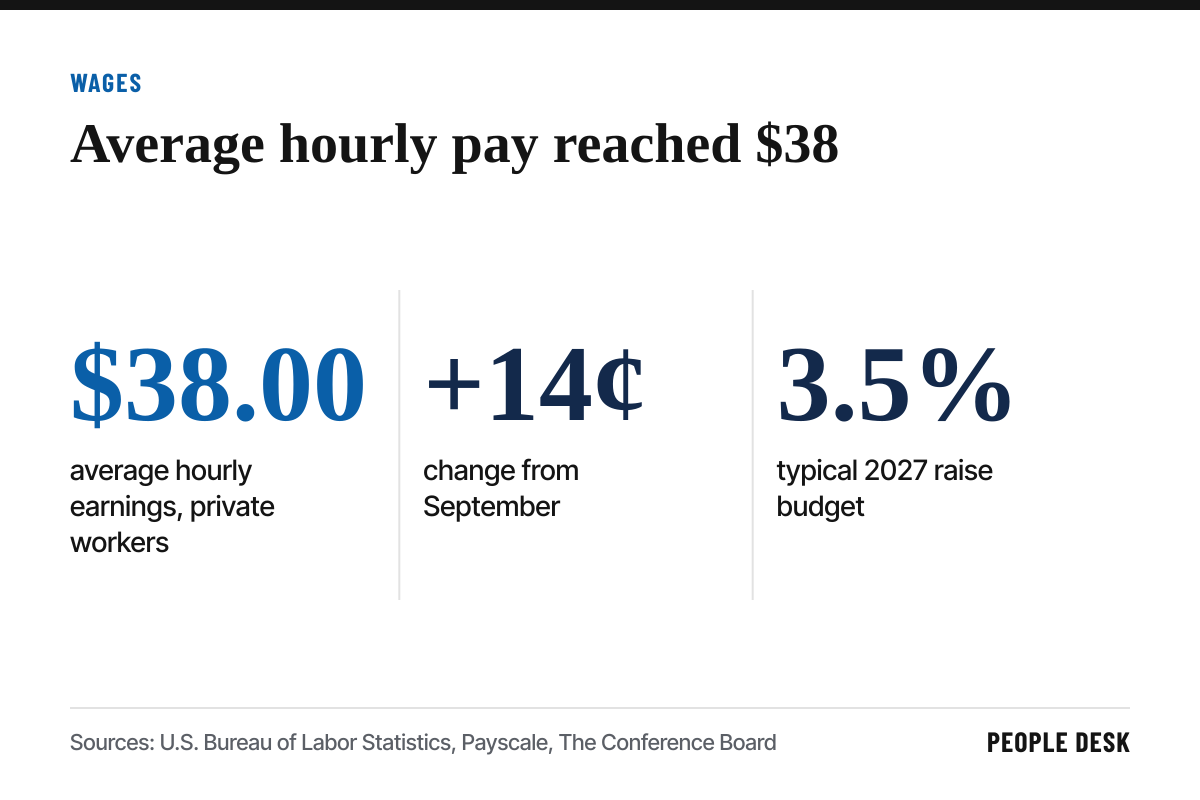
Payscale and The Conference Board both put 2027 salary increase budgets at 3.5 percent. WTW is a notch lower at 3.4.
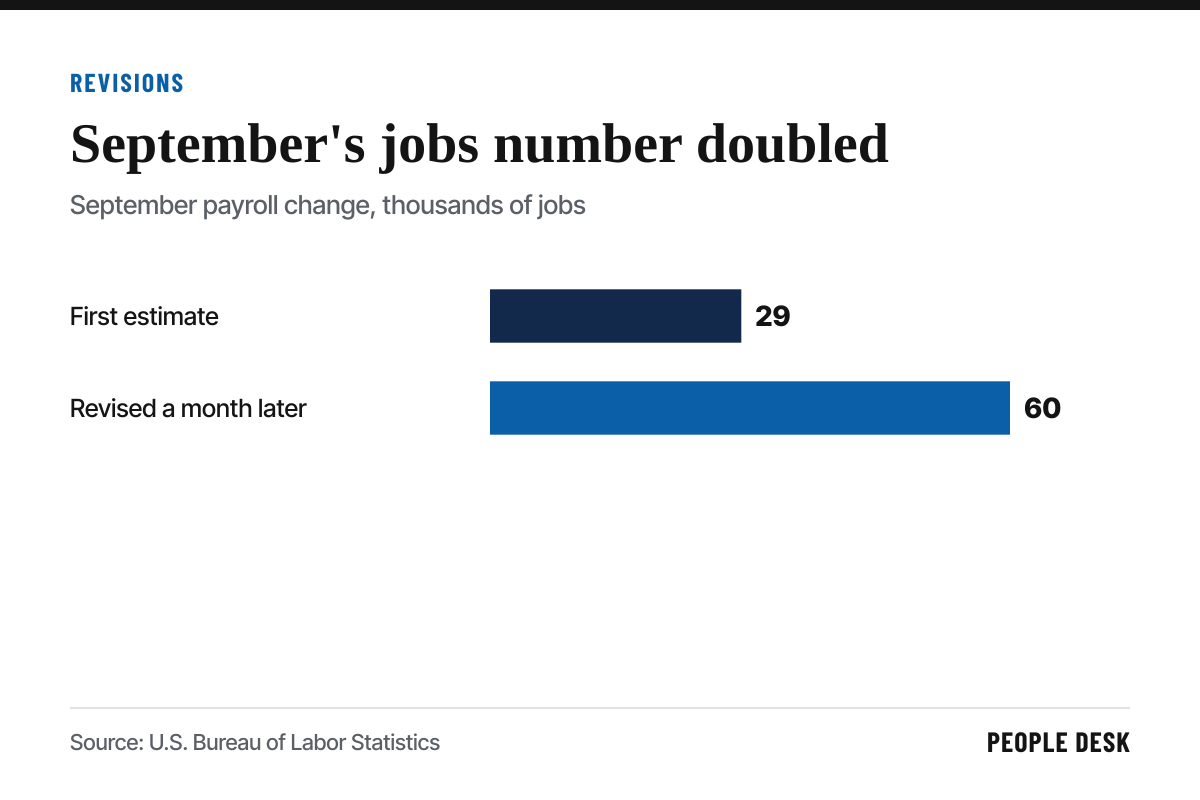
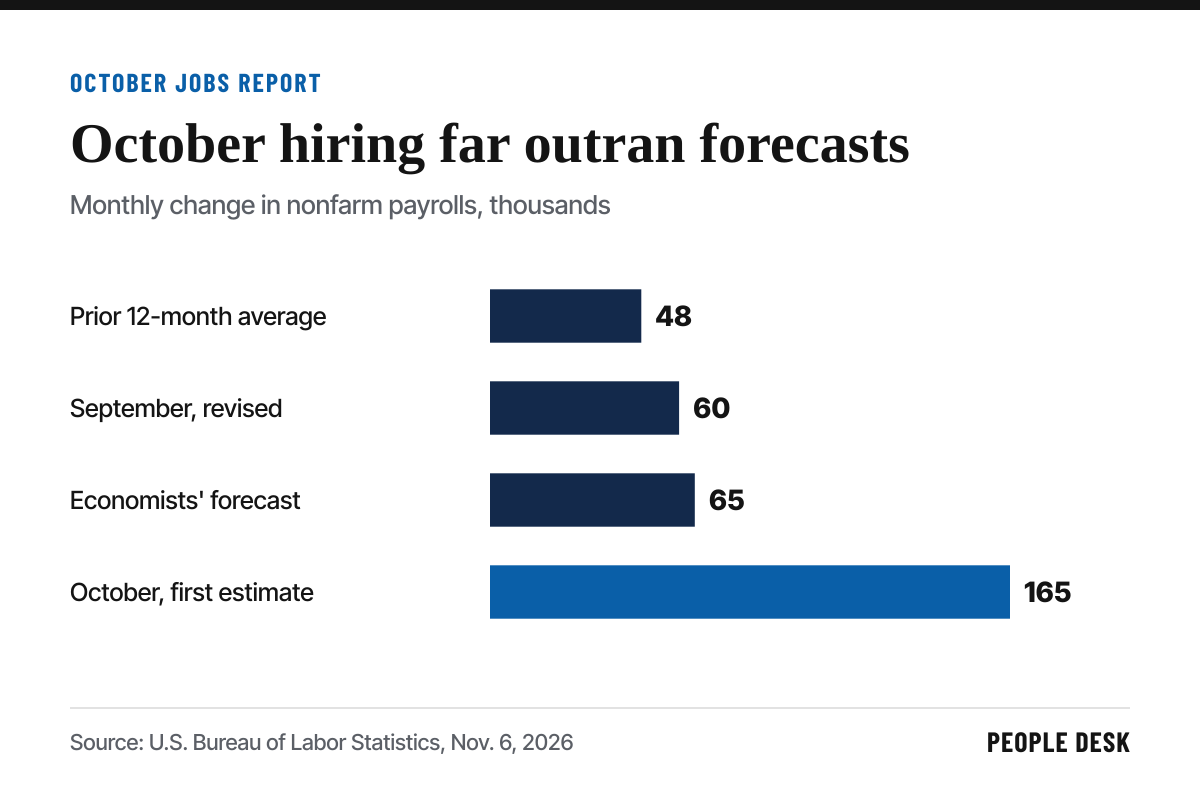
September payrolls were first reported at 29,000. A month later the figure was 60,000.
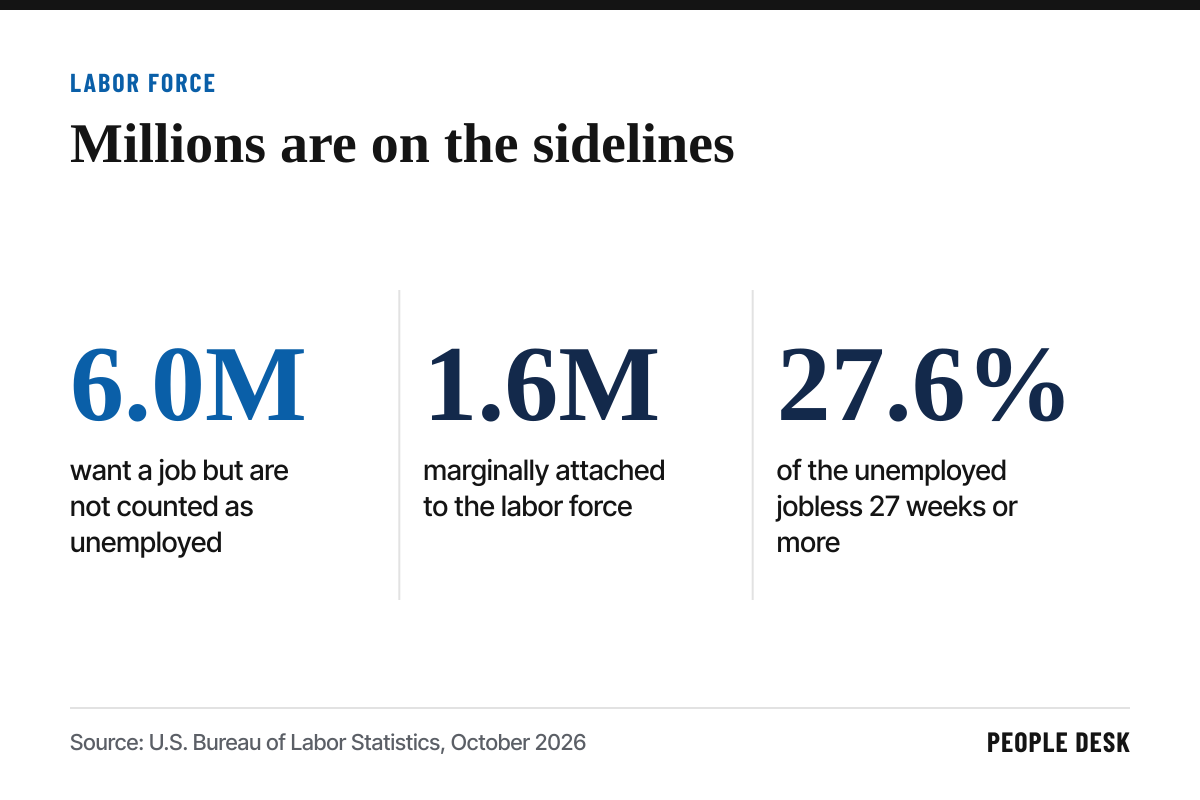
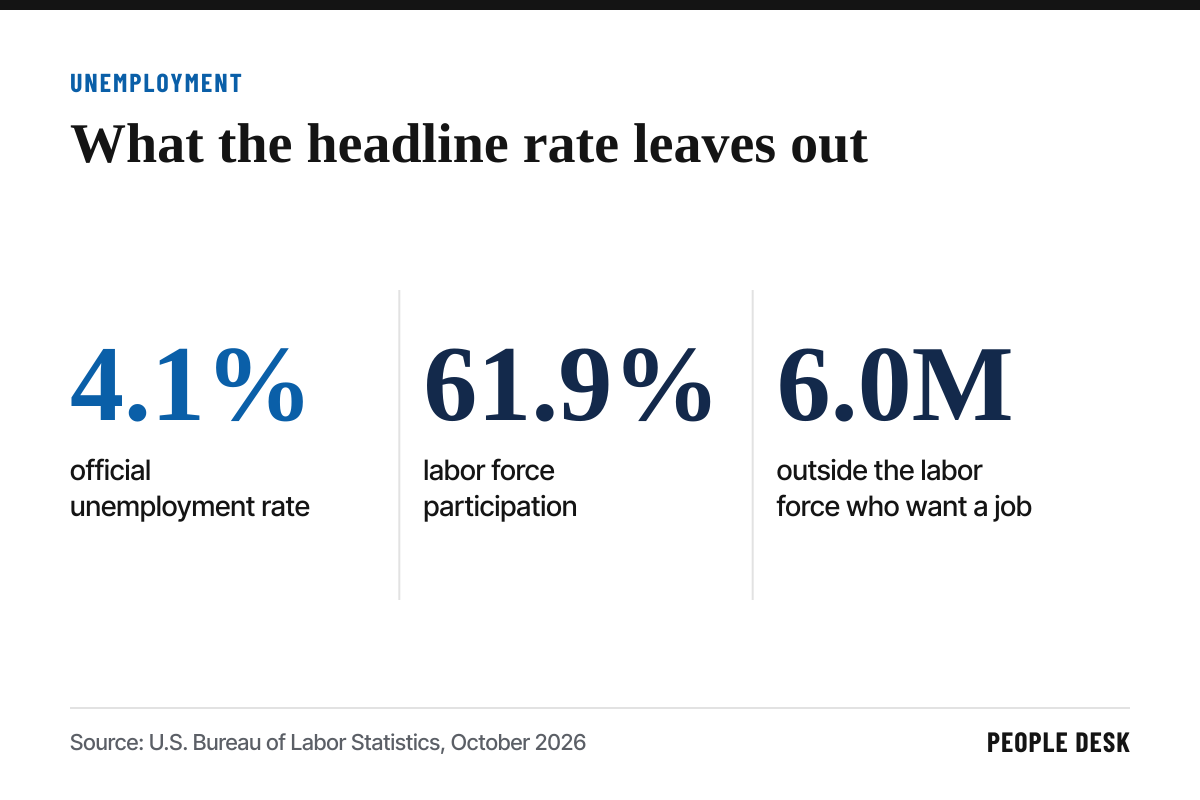
About 6.0 million people outside the labor force told the BLS in October that they want a job. The official unemployment rate counts none of them.
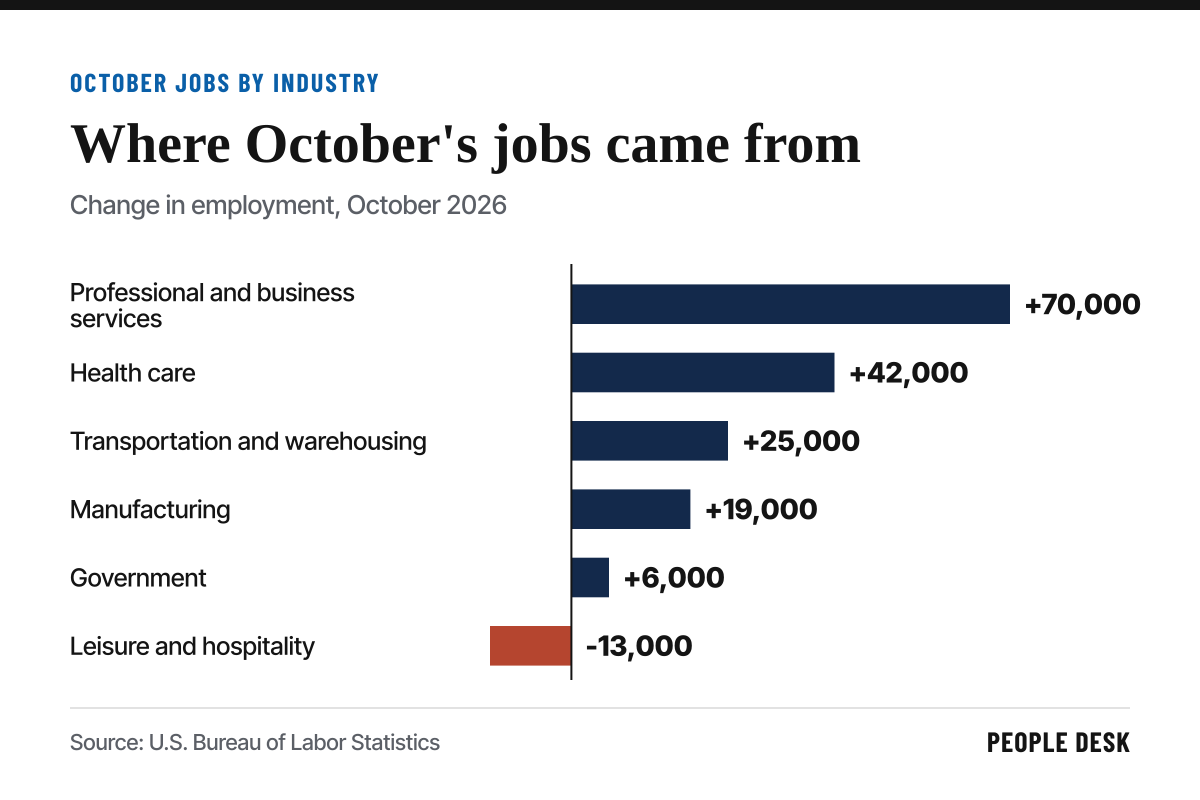
Professional and business services added 70,000 jobs in October and health care 42,000. Leisure and hospitality lost 13,000.
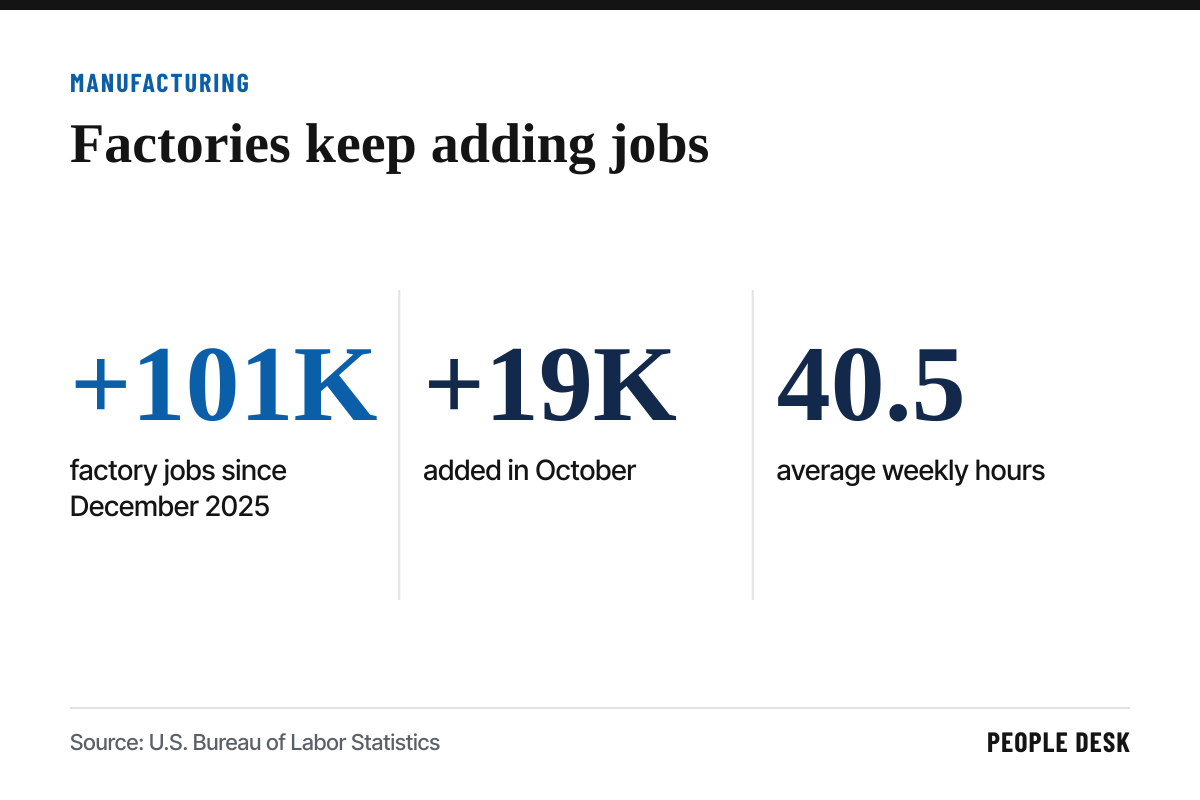
Manufacturing added 19,000 jobs in October, bringing the gain since December's low to about 101,000. The factory workweek held at 40.5 hours.
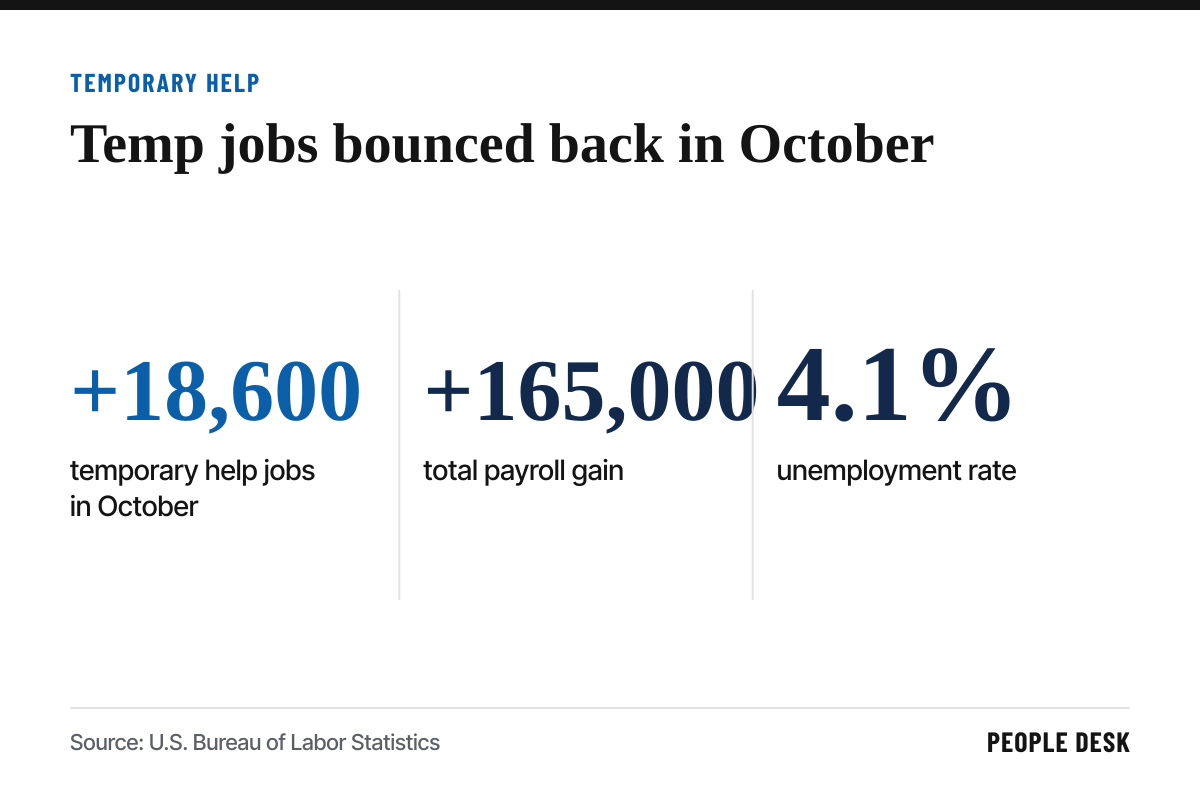
Temporary help employment rose by 18,600 in October after the year's largest monthly drop. Economists watch it as an early read on hiring.
Health care added 42,000 jobs in October. The BLS expects about 189,100 openings for registered nurses every year through 2034.
Payrolls rose by 165,000 in October, far above the roughly 65,000 economists expected, and unemployment slipped to 4.1 percent. September was revised up to 60,000.
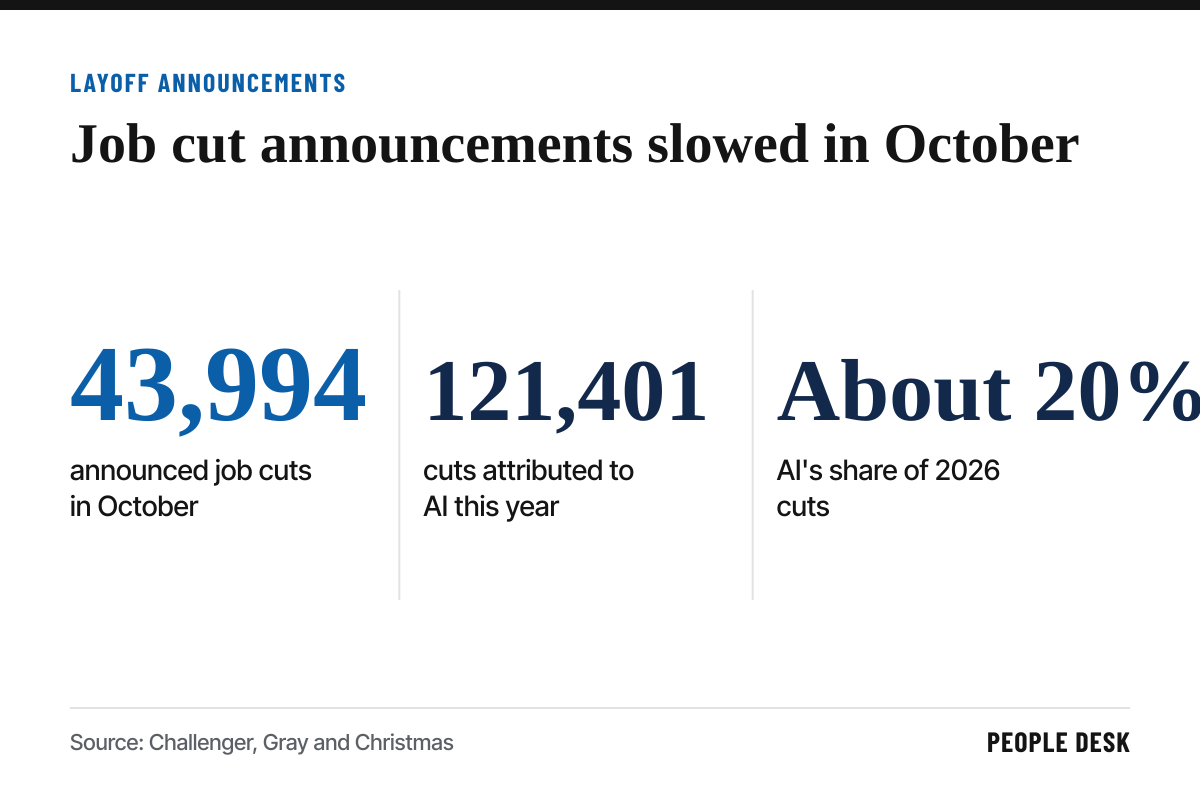
Artificial intelligence has been cited in about one in five announced job cuts this year, but the share dropped sharply in the fall as economic conditions took over.
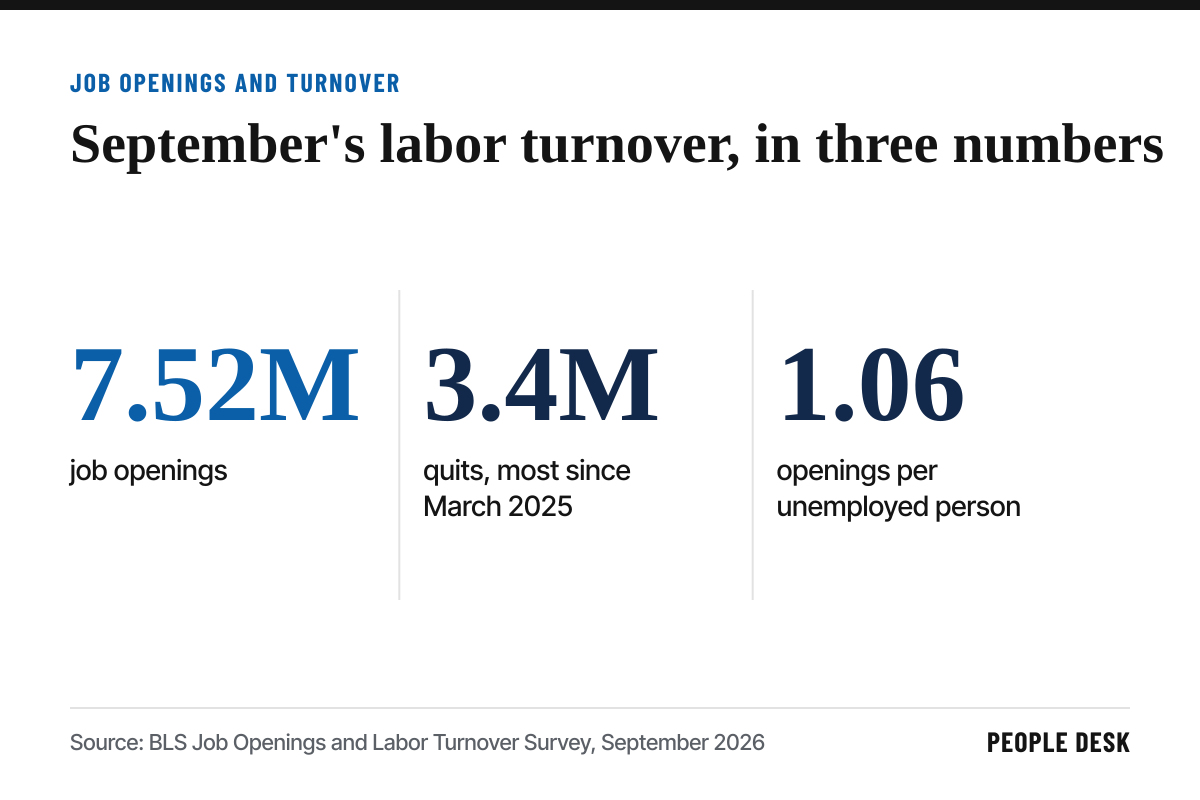
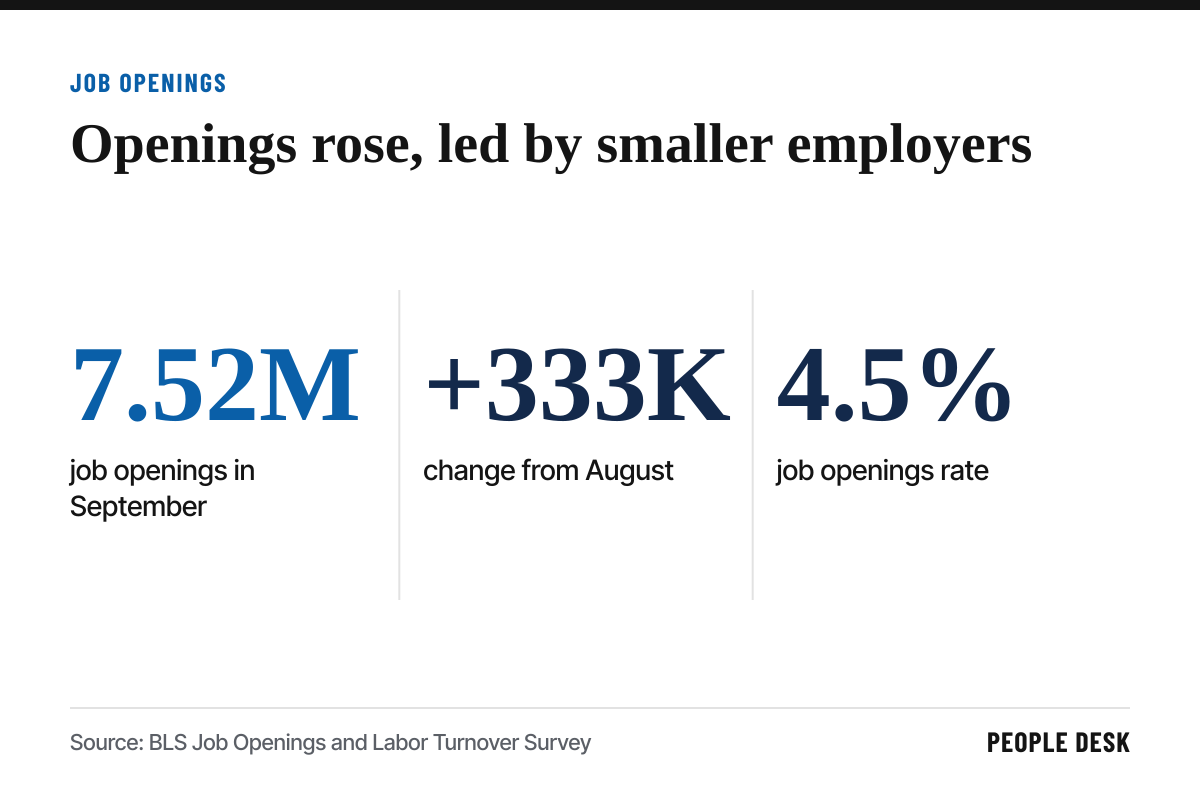
Job openings rose to 7.52 million in September and quits reached 3.4 million, the most since March 2025. What each line of the report measures.
Openings rose to 7.5 million, quits reached a 2025 high and layoffs fell. Nearly all of the action happened at smaller employers.
The official jobless rate counts only people actively looking for work. Broader measures add discouraged workers and part-timers who want more hours.
Average hourly earnings reached $38.00 in October. BLS occupational data for a metro area is a better guide to what a specific job should pay.
Every Monday, the week's labor data, compliance changes and workforce reporting in one sourced read. Free for employers, HR leaders and hiring managers.