Jobless Claims Rise to 200,000, Still Near Historic Lows
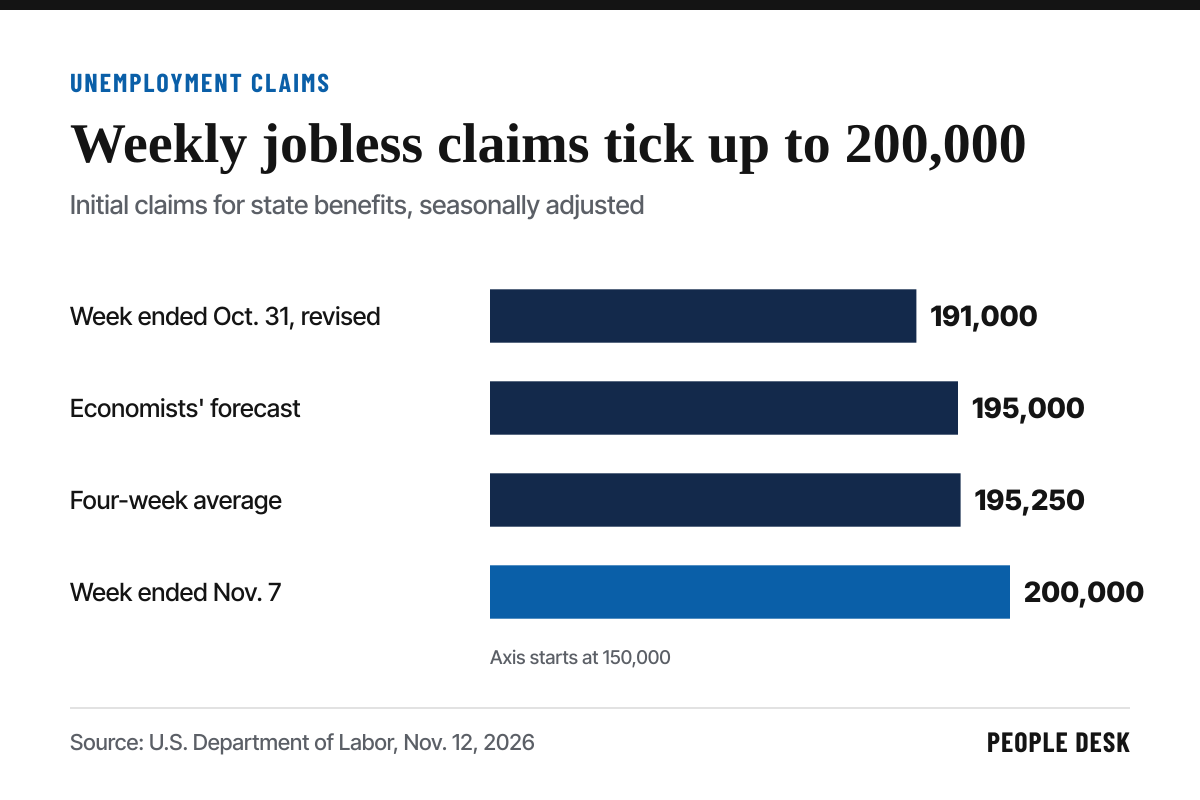
Initial claims rose 9,000 in the week ended Nov. 7, above the 195,000 economists expected, the Labor Department said Thursday. Layoffs remain rare by historical standards.
Initial claims rose 9,000 in the week ended Nov. 7, above the 195,000 economists expected, the Labor Department said Thursday. Layoffs remain rare by historical standards.
Deloitte found that workers who see a path to new skills are 2.7 times less likely to quit within a year. Many never see the internal job board.
Meta requires job ads to run in a special category that bars targeting by age, gender and ZIP code. Many employers posting on Facebook and Instagram do not know it.
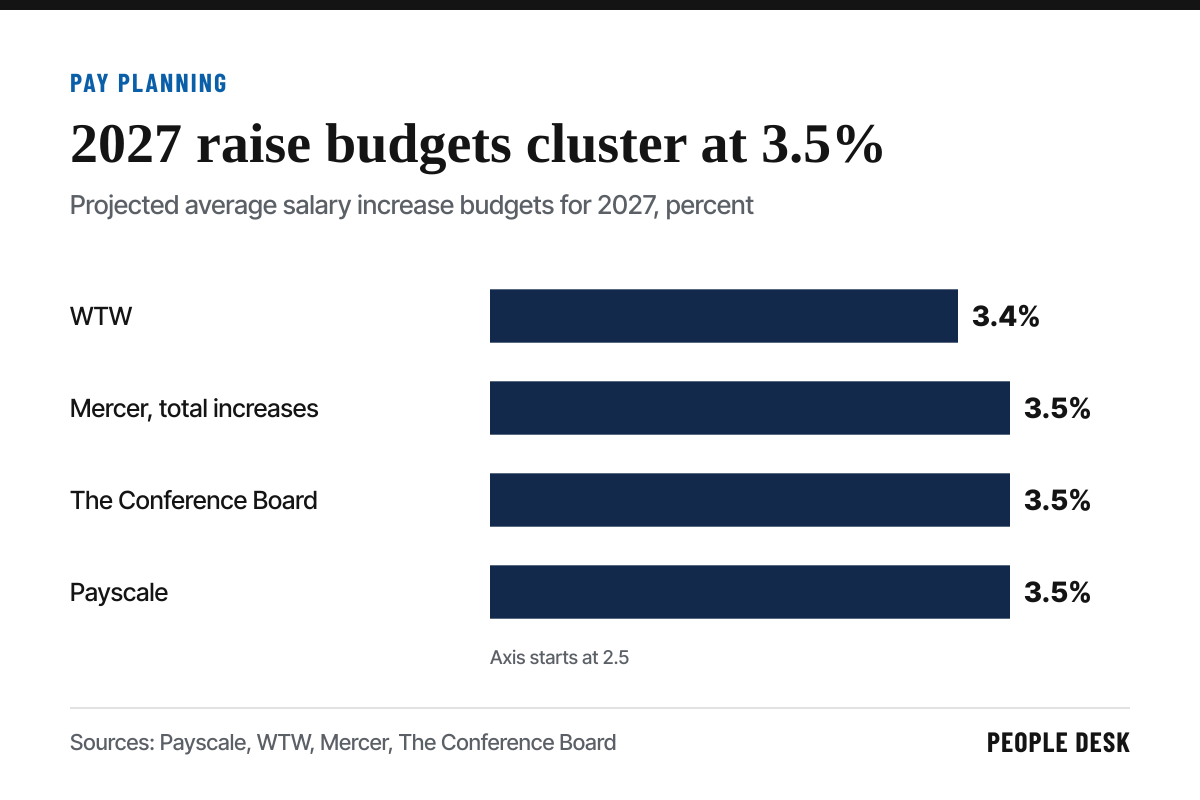
Payscale and The Conference Board both put 2027 salary increase budgets at 3.5 percent. WTW is a notch lower at 3.4.
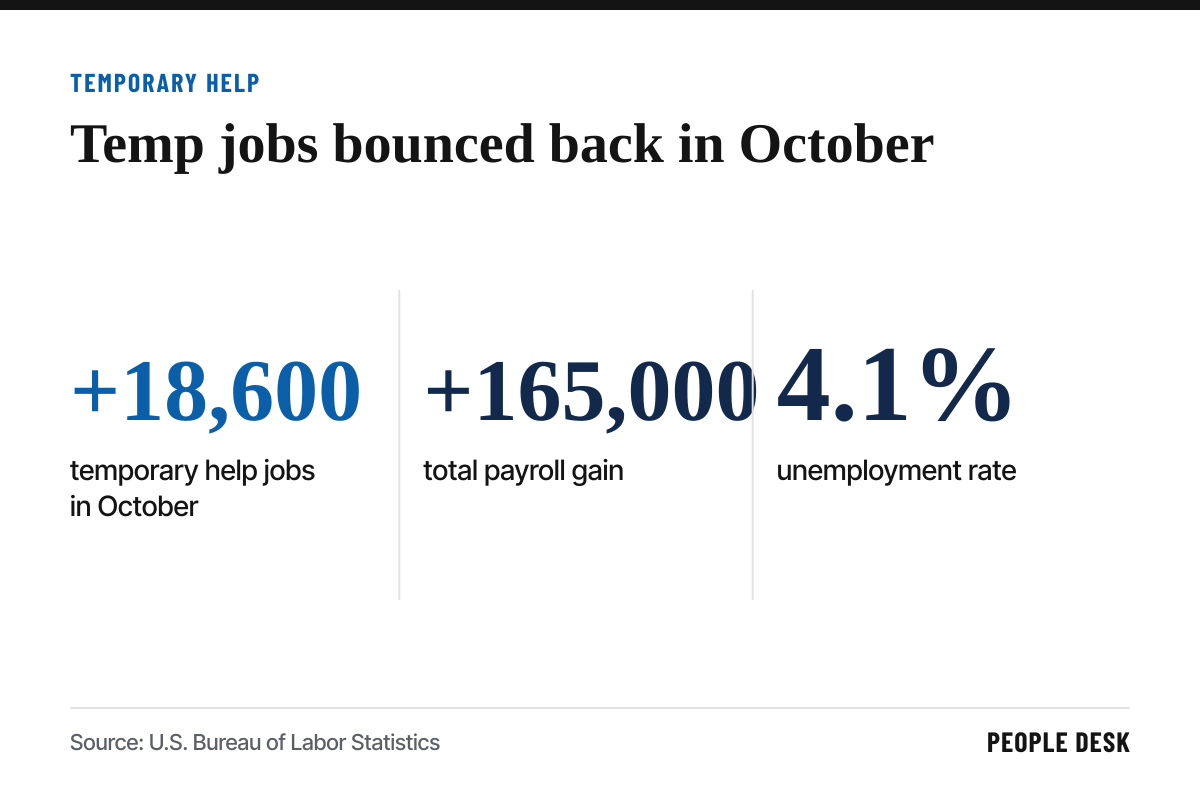
Temporary help employment rose by 18,600 in October after the year's largest monthly drop. Economists watch it as an early read on hiring.
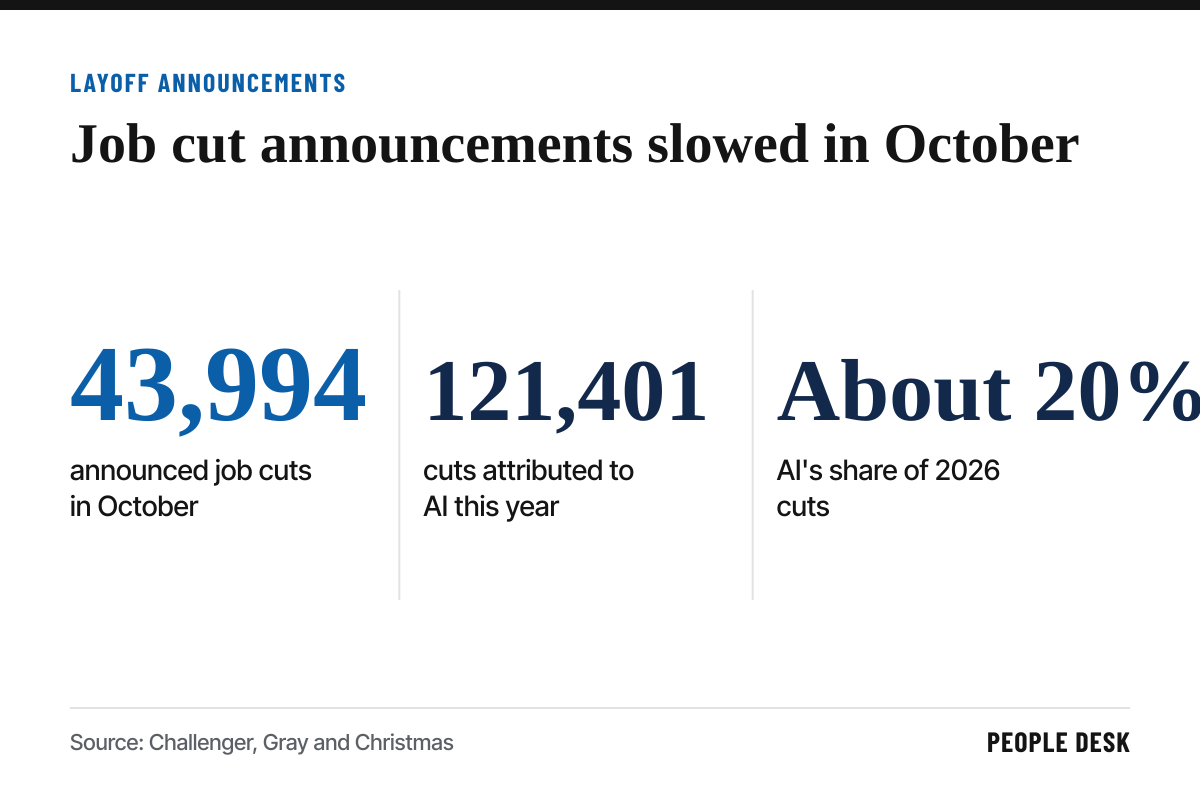
Artificial intelligence has been cited in about one in five announced job cuts this year, but the share dropped sharply in the fall as economic conditions took over.
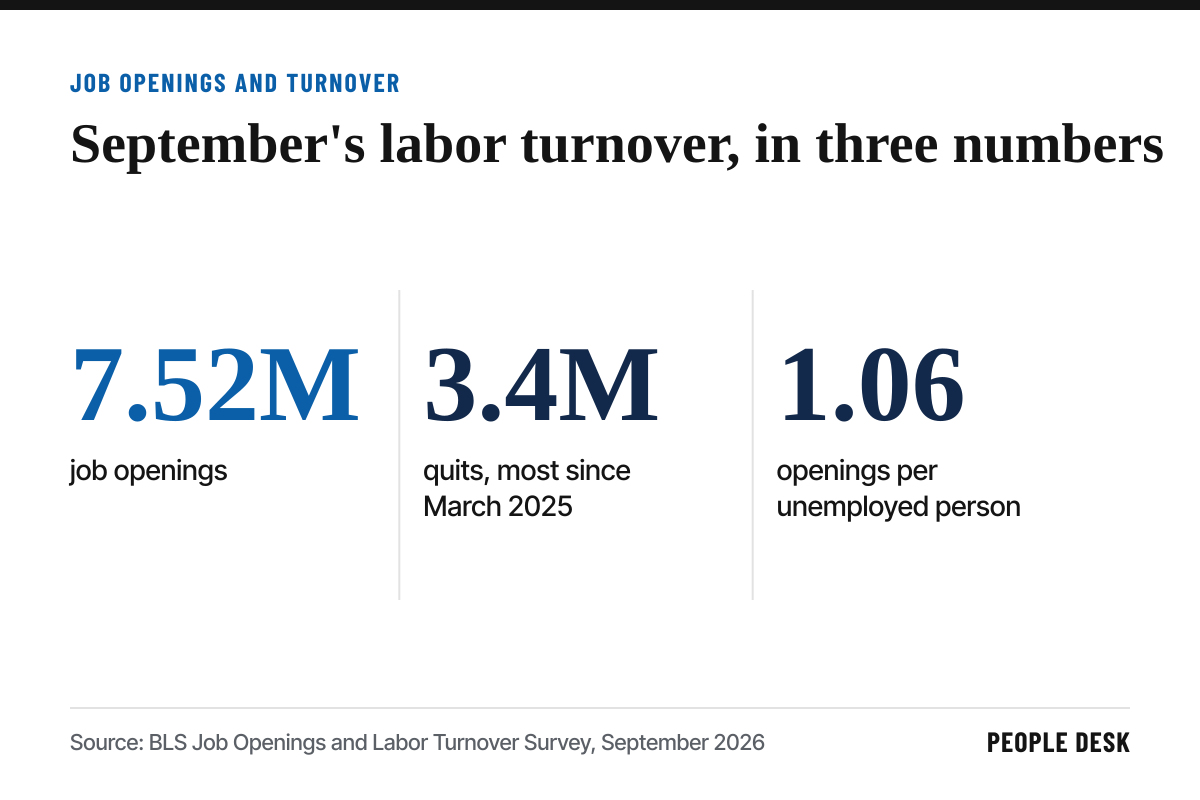
Job openings rose to 7.52 million in September and quits reached 3.4 million, the most since March 2025. What each line of the report measures.
A Harvard Business School and Burning Glass Institute study found that removing degree language changed fewer than 1 in 700 hires. The firms that succeeded changed how they evaluate candidates.
The 2026 NSI report shows RN turnover rising to 17.6 percent and vacancy at 8.6 percent. Nearly a third of departures come from nurses in their first year.
Job seekers now ask chatbots whether a company is a good place to work. The answers draw on old reviews, news stories and whatever the careers page says.
Kentucky requires a paid 10-minute break for every four hours worked, which federal law does not. It can also require overtime on a seventh straight day.
Employers in Illinois must tell applicants when AI touches employment decisions, yet the state withdrew its proposed notice rules in June. Other states are writing their own versions, and they do not agree.
Every Monday, the week's labor data, compliance changes and workforce reporting in one sourced read. Free for employers, HR leaders and hiring managers.
Regulations under the Pregnant Workers Fairness Act are headed for revision, but the agency keeps suing employers that force pregnant workers onto leave.
Most accommodation requests cost little or nothing, according to the Job Accommodation Network. The EEOC expects a back-and-forth before any decision.
Employers with 100 or more workers can owe 60 days' notice before a plant closing or mass layoff. Missing it can mean back pay for every affected worker.
Gallup's 2026 State of the Global Workplace report traces most of the decline in employee engagement to one group. The people in the middle are running out of energy.
Deloitte estimates retirements will open about 2.8 million manufacturing jobs by 2033. Few plants have named successors for the roles that matter most.
Gallup found training lifts the share of thriving managers from 28 to 34 percent, and to 50 percent with coaching. Big teams leave little time for either.
Median tenure with an employer fell to 3.9 years in January 2024 from 4.1 years two years earlier, the BLS reported.
Quits reached their highest level since March 2025 in September. A 30-minute conversation can surface the reason before the resignation letter does.
September JOLTS data showed quits in accommodation and food services jumped by 197,000. Leisure and hospitality then lost 13,000 jobs in October.
Spending has cooled, yet contractors still face a deep hiring hole because the industry's most experienced workers are retiring faster than new ones arrive.
Turnover has eased slightly, but registered nurse departures rose and agency staffing is creeping back. New research suggests culture and supervisors matter as much as pay.
Announced seasonal hiring reached its highest October level since 2009, driven by Amazon and UPS. Fewer companies announced plans than a year earlier.
Agencies are hiring more officers than they did during the worst of the staffing crisis, but a rise in retirements shows how quickly those gains can slip away.
Federally funded Rapid Response teams help Kentucky employers and workers through layoffs at no cost. Some services start before notices go out.
People Desk is published by Incipio Workforce Solutions, a Louisville workforce firm founded in 2015. We cover national labor data and the Kentucky market side by side.
About the publication