The holiday hiring season is under way, and the headline numbers look strong. Employers announced plans to hire about 445,000 seasonal workers in October, according to outplacement firm Challenger, Gray and Christmas. That was up 57 percent from a year earlier and the highest October total since 2009.
A closer look shows a narrower picture. Only five companies announced seasonal hiring plans in October, compared with 11 in the same month of 2025. Two employers account for most of the total.
Logistics leads
Amazon said it plans to hire 300,000 seasonal workers for the holidays. UPS announced plans for about 100,000 seasonal hires, according to SupplyChain247. Both companies need large numbers of workers for sorting, packing, loading and delivery during the peak shipping weeks between Thanksgiving and the new year.
UPS has emphasized speed. The company says many seasonal applicants can receive a job offer in under seven minutes, a sign of how quickly high-volume employers now move. Our guide to time to hire explains why speed matters for hourly roles.
The broader transportation and warehousing sector is growing. It added 25,000 jobs in October, including 17,000 among couriers and messengers, according to the Bureau of Labor Statistics. We cover that sector in our warehouse and logistics report.
Retail is more cautious
Traditional retailers have pulled back. Retail seasonal hiring in 2025 was the smallest since 2008, about 15 percent below the 543,100 seasonal jobs added in the fourth quarter of 2024. Many retailers have shifted toward giving existing part-time employees more hours rather than hiring large numbers of temporary workers.
In past years, major retailers often announced large seasonal programs. Target typically planned around 100,000 seasonal hires, Kohl's around 90,000 and Bath and Body Works around 30,000. Fewer retailers made such announcements this fall.
Several factors explain the caution. Consumer spending has been uneven, tariffs have raised costs for some goods and retailers have invested in automation and self-checkout. Retail employment stood at about 15.47 million in August, according to BLS data.
Retailers that do hire seasonally are often seeking workers for specific needs such as filling online orders, curbside pickup and processing returns after the holidays. Those roles look more like warehouse jobs than traditional sales floor positions.
What it means for other employers
Large seasonal programs at Amazon and UPS affect the broader labor market, especially in areas with major fulfillment centers and air hubs. Louisville, home to UPS Worldport, is one such market. When those employers raise pay or add bonuses for the season, local manufacturers, warehouses and service businesses can feel the pressure.
Employers competing for hourly workers during the holidays should review pay rates, scheduling flexibility and how quickly they respond to applicants. Workers often choose the job that offers clear pay, predictable hours and a fast decision.
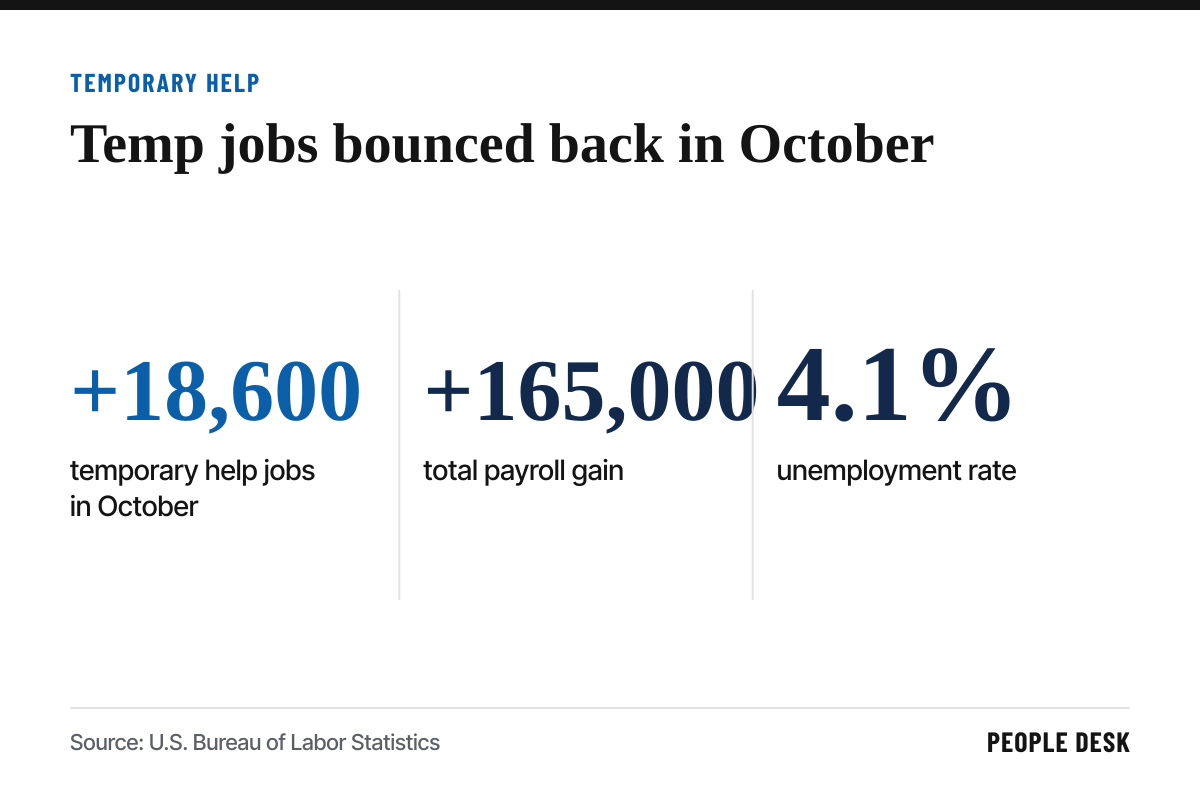
Temporary staffing is another option. Temporary help employment has trended down, which some economists treat as an early signal of softer demand, as we explained in our report on temporary help jobs. Staffing firms may have more available workers this season than in past years.
Seasonal workers as a pipeline
Seasonal jobs can lead to permanent roles. Both Amazon and UPS have historically converted some seasonal workers into regular employees after the holidays. Smaller employers can do the same by treating seasonal hiring as an extended working interview.
To make that work, give seasonal hires real onboarding, clear expectations and a named contact. Track performance and attendance. Before the season ends, let the strongest workers know about permanent openings and invite them to apply.
Compliance reminders
Seasonal workers are employees with the same basic rights as permanent staff. Employers must complete Form I-9 for every new hire, including temporary ones, as explained in our Form I-9 guide. Overtime rules apply to nonexempt workers regardless of how long they are employed. Employers hiring workers under 18 must follow federal and state child labor rules on hours and hazardous tasks.
Safety training matters too. Injury rates tend to rise during peak periods when new workers handle heavy volumes under time pressure. A short, practical safety orientation before the first shift reduces risk for workers and employers alike.
The holiday hiring season will end in January. Employers that use it well can come out with stronger teams and a list of proven workers to call when demand returns.
Sources
- Challenger, Gray and Christmas, The Challenger Report
- SupplyChain247, UPS to Hire 100,000 Seasonal Workers
- U.S. Bureau of Labor Statistics, The Employment Situation for October 2026
- CPA Practice Advisor, Fewest October Job Cuts in Three Years
We link to the original reports and filings wherever possible. See something we got wrong? Tell us and read our corrections policy.