Employers in Louisville often describe the same problem. They have open jobs, decent pay and a willingness to train, yet they cannot find enough workers. At the same time, many working-age adults in the region are not employed. Often the gap is not skills or interest. It is practical barriers that make it hard to get to work, stay at work or get hired in the first place.
The barriers
Greater Louisville Inc., the region's chamber of commerce, identifies several barriers through its workforce initiatives. Transportation, child care, expungement of criminal records and digital access are among the most common.
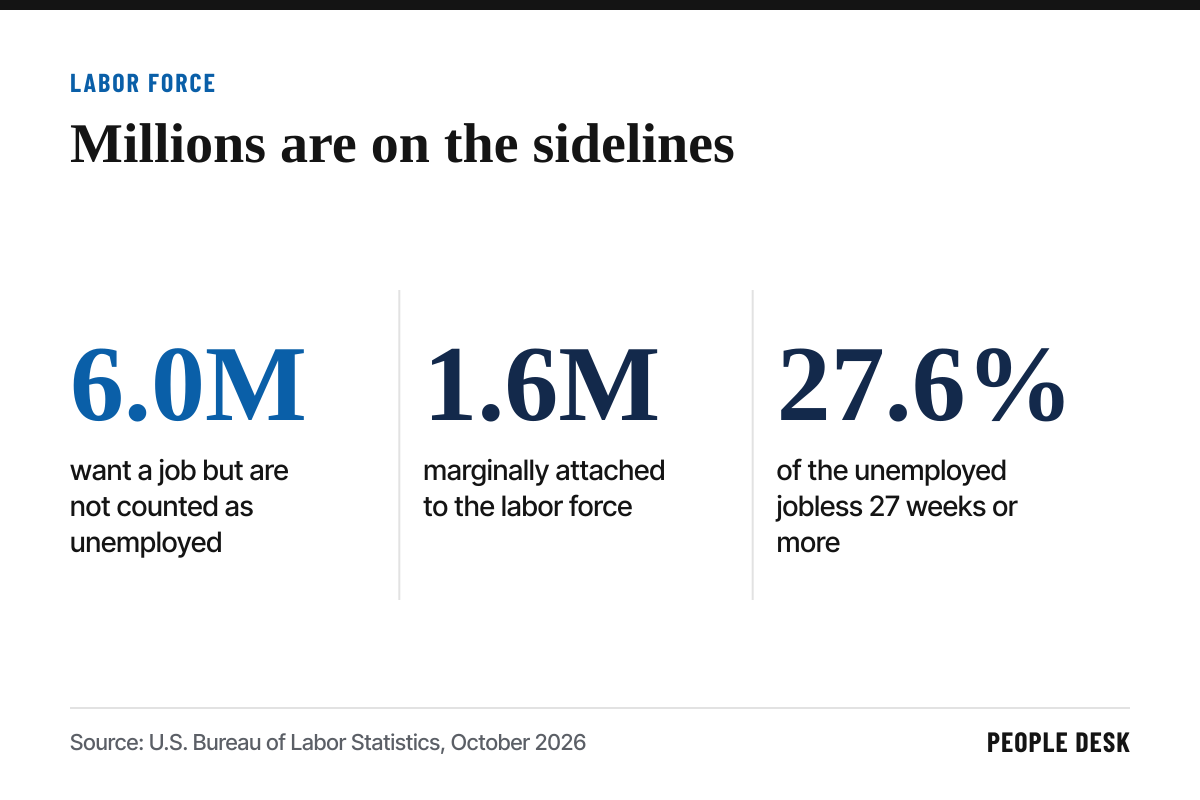
Those barriers help explain why Kentucky's labor force participation rate has trailed the national average for years, as we reported in our report on Kentucky's labor force. Nationally, many adults on the sidelines cite caregiving and health as reasons for not working, as described in our analysis of workers on the sidelines.
Transportation
Many jobs in the Louisville area are located in industrial parks, distribution centers and suburban areas that are hard to reach without a car. TARC, the region's transit agency, serves many routes, but bus schedules do not always match shift times, especially for overnight and weekend work.
Employers can help in several ways. Some adjust shift start times to align with bus schedules. Others offer transit passes, carpool matching or shuttle service from transit hubs. A few partner with TARC on dedicated routes to large worksites. Even small steps, such as flexibility for workers when a bus runs late, can make a difference.
Child care
Child care is often expensive, hard to find and rarely available during evening, overnight or weekend shifts. For parents working hourly jobs, a single gap in care can mean missing a shift or leaving a job.
Kentucky created the Employee Child Care Assistance Partnership, which allows the state to match employer contributions toward employees' child care costs for eligible workers. Employers can also offer dependent care flexible spending accounts, partner with nearby providers for reserved slots or provide backup care benefits.
Scheduling matters too. Predictable schedules posted well in advance make it easier for parents to arrange care. Shift swapping and part-time options help workers manage family needs.
Some employers survey workers about their care needs before choosing a benefit. The answers often show that the biggest problem is care during specific hours, such as early mornings or weekends, rather than cost alone.
Criminal records
A criminal record can keep qualified candidates out of work long after they have served their sentence. Kentucky has expanded options for expungement in recent years, and local organizations help eligible residents clear their records.
Employers can widen their pool by reviewing records fairly. EEOC guidance encourages employers to consider the nature of the offense, how long ago it occurred and its relevance to the job, rather than excluding everyone with a record. Our guide to background checks and the FCRA explains how to do this lawfully.
Digital access
Most job applications are now online, and many require an email address, a resume upload and sometimes a video interview. Workers without reliable internet or a computer may struggle to apply.
Short, mobile-friendly applications help. So do options to apply by text, in person or with help at a local library or career center. Our guide to what candidates look for on a careers page covers mobile-friendly design.
Working with partners
Employers do not have to solve these problems alone. KentuckianaWorks connects job seekers with training and support services and works with employers on hiring. GLI's workforce programs link businesses with community organizations that address specific barriers.
Partnerships can be simple. An employer might work with a community organization to identify candidates who need transportation help, then offer transit passes during the first months on the job. Another might partner with an expungement clinic to help employees clear old records.
Why it pays off
Addressing barriers can be cheaper than the alternatives. Turnover, overtime and unfilled shifts all cost money, as we explained in our report on turnover costs. Workers whose barriers are addressed often become loyal employees.
In a region where the labor force has been shrinking, employers cannot afford to overlook capable workers because of a bus schedule, a child care gap or an old record. Those that remove the barriers gain access to talent their competitors miss.
Sources
- Greater Louisville Inc., Talent Attraction and Retention
- KentuckianaWorks, Employer Services
- U.S. Equal Employment Opportunity Commission, Enforcement Guidance on Arrest and Conviction Records
- Transit Authority of River City
We link to the original reports and filings wherever possible. See something we got wrong? Tell us and read our corrections policy.