Ask most employees what they earn and they will name a salary or hourly rate. Few will mention the employer's share of their health insurance premium, retirement contributions, paid time off or payroll taxes. Yet those costs add up. For employers competing for workers, that gap between perceived and actual compensation is a missed opportunity.
The size of the hidden pay
The Bureau of Labor Statistics tracks employer costs through its Employer Costs for Employee Compensation survey. For private industry workers, benefits make up roughly 30 percent of total compensation costs. Wages and salaries make up the rest.
Benefits include paid leave, supplemental pay such as overtime and shift differentials, insurance, retirement and savings plans, and legally required benefits such as Social Security, Medicare, unemployment insurance and workers' compensation. Health insurance is typically the largest single item.
Most employees see only part of this. They see deductions from their paychecks, not the larger amount the employer pays on their behalf.
The gap is often largest for health coverage. An employee may know that a few hundred dollars come out of each paycheck for insurance without realizing that the employer pays several times that amount toward the same plan.
What a total rewards statement does
A total rewards statement is a personalized summary that shows each employee the full value of their compensation. It typically includes base pay, overtime and bonuses, the employer's contribution to health, dental and vision insurance, retirement plan contributions, paid time off, life and disability insurance, tuition assistance and other benefits.
The statement turns abstract benefits into concrete dollar figures. An hourly worker earning $40,000 in wages may see that their total compensation is significantly higher once employer-paid health premiums, retirement matches and paid leave are counted.
Why it matters for retention
Employees comparing job offers often focus on hourly pay. A competitor offering a dollar more per hour may look better on paper even when its benefits are worth far less. A total rewards statement helps current employees make an accurate comparison before they leave.
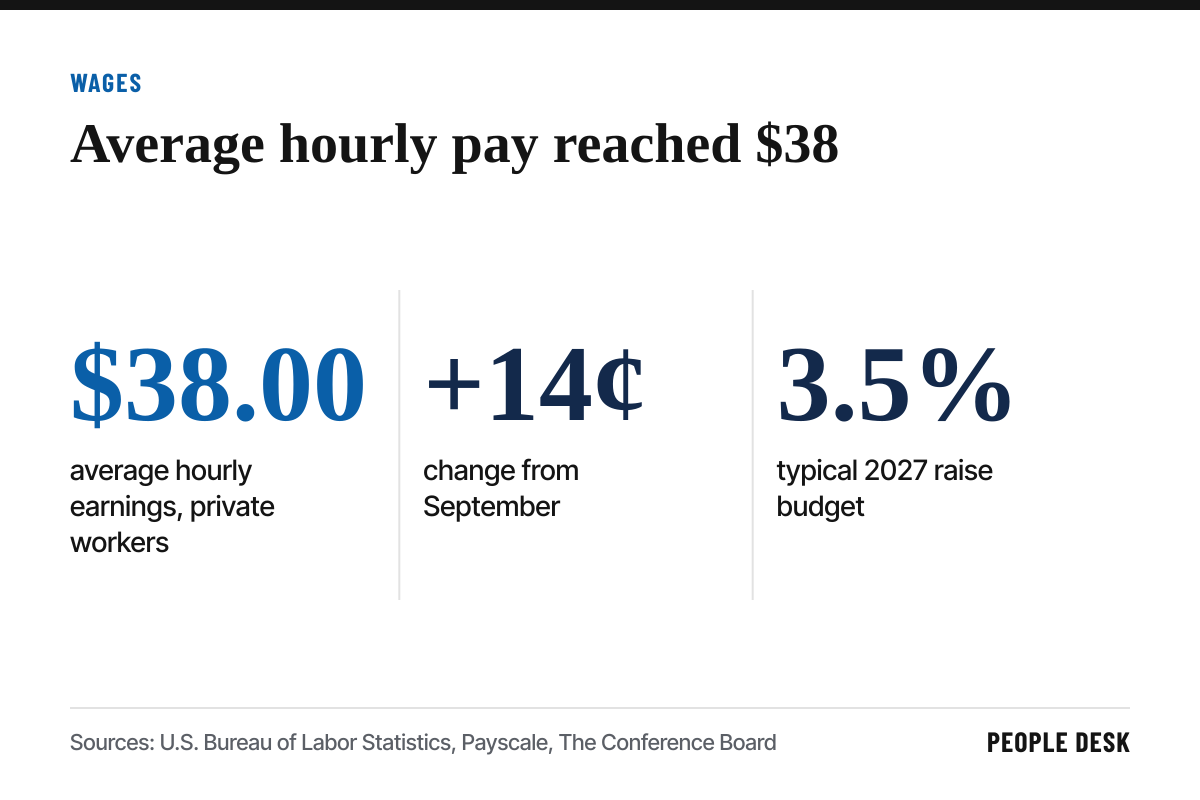
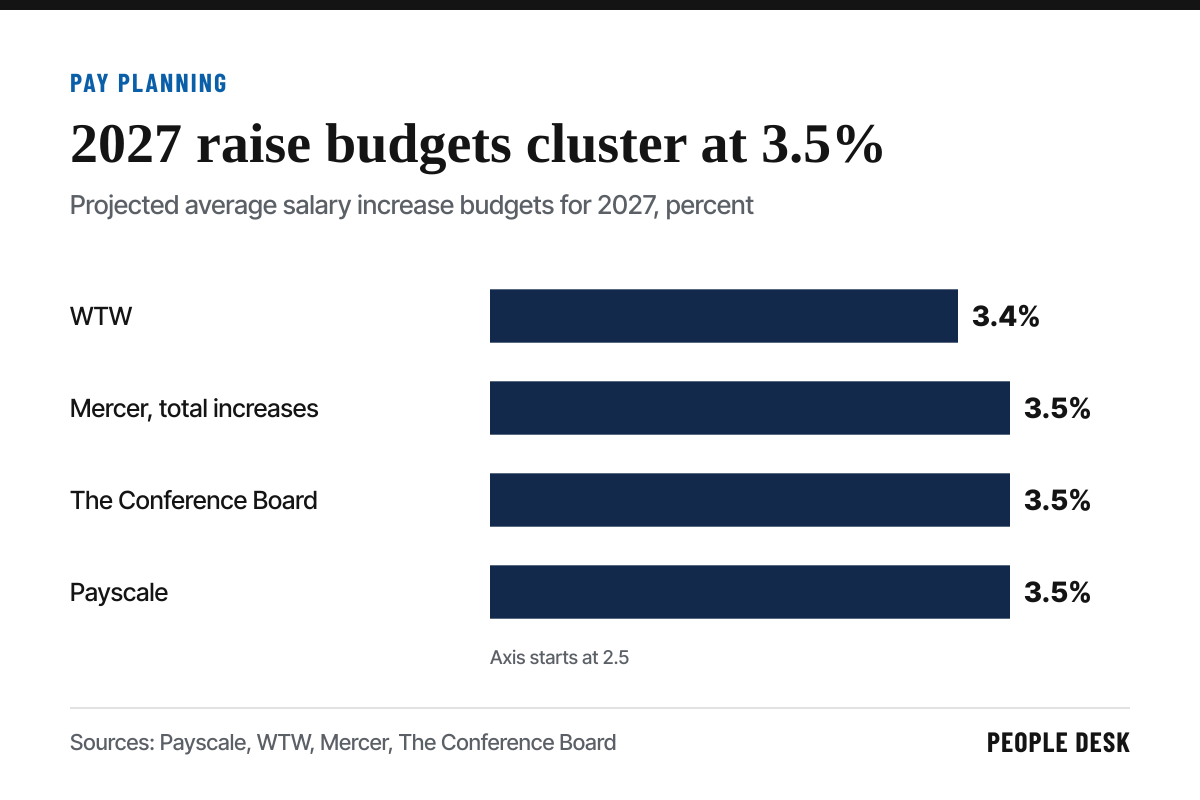
That matters in a market where quits have been rising, as we reported in our JOLTS guide. It matters even more when raise budgets are limited. With employers planning salary increases of about 3.5 percent for 2027, as covered in our salary budget report, showing the value of benefits can help offset modest raises.
Why it matters for recruiting
Candidates also underestimate benefits. Job postings that list only pay ranges leave out a large part of the offer. Including a summary of benefits, with dollar values where possible, can make an offer more competitive. Public employers in particular often have strong benefits that candidates overlook, as noted in our public sector hiring report.
Offer letters are a natural place for a short total compensation summary. Candidates comparing offers can then see the full picture.
Recruiters should be ready to explain the numbers. A candidate who asks how the health plan compares with a current employer's deserves a clear answer, and a recruiter who can give one makes the offer more persuasive.
Building a statement
Start with payroll and benefits data. Most payroll and benefits platforms can generate statements automatically, and many vendors offer templates. Smaller employers can create a simple version in a spreadsheet or document.
Keep it clear. Use plain language, show totals prominently and explain what each benefit covers. Avoid jargon such as employer contribution percentages without dollar amounts.
Include the benefits people forget. Employee assistance programs, wellness stipends, commuter benefits, discounts and training programs often go unused because employees do not know they exist. A statement is a chance to remind them.
Deliver statements at least once a year, ideally before open enrollment or annual raises. Pair them with a short conversation between employees and managers, who can answer questions and explain how compensation works.
Be accurate
Statements must be correct. Overstating benefits damages trust quickly. Include only benefits the employee actually receives or is eligible for, and note assumptions, such as the value of paid leave based on the employee's current pay.
Total rewards statements are part of a broader effort to communicate the value of working for an organization. They work best alongside fair pay, good management and clear career paths. Our guide to using federal wage data for pay planning explains how to make sure base pay stays competitive.
Employers already spend heavily on benefits. A total rewards statement makes sure employees and candidates see that investment.
Sources
- U.S. Bureau of Labor Statistics, Employer Costs for Employee Compensation
- U.S. Bureau of Labor Statistics, Job Openings and Labor Turnover Summary
- HR Dive, Payscale 2027 Salary Budget Survey
We link to the original reports and filings wherever possible. See something we got wrong? Tell us and read our corrections policy.